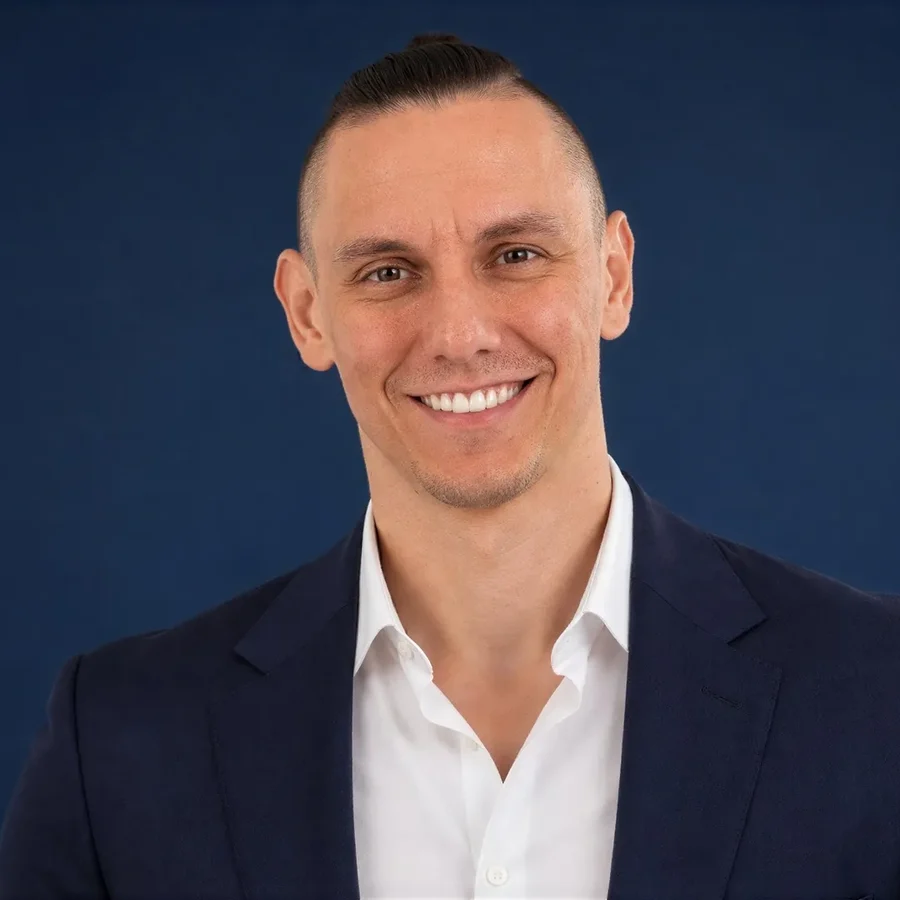
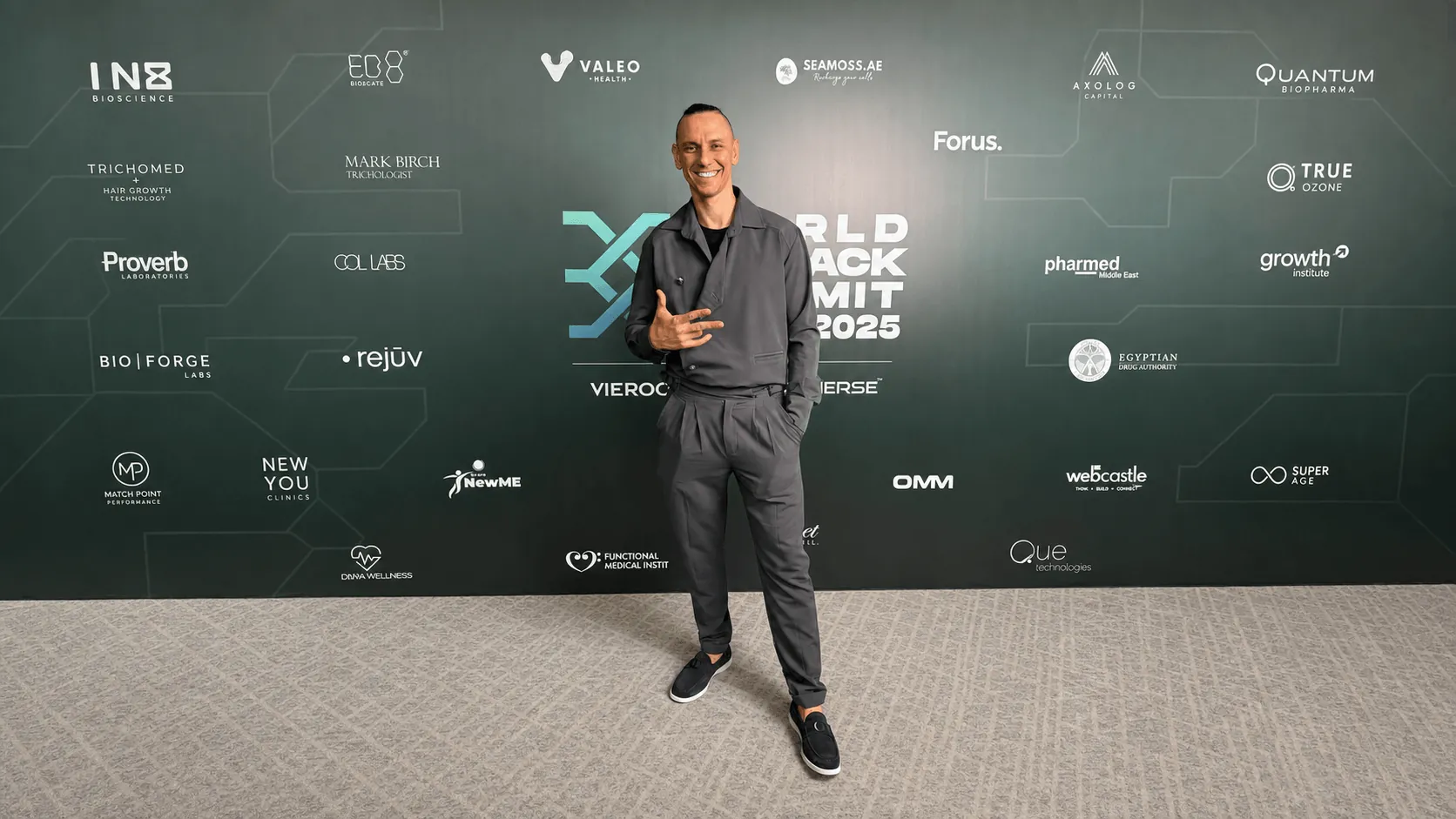
I’m Sergei Petryk, and for the last twenty years I’ve worked on business events and technology projects. After a record-setting livestream, the logical move would have been another conference in the same niche. Instead, we’re in our third year of building a preventive health product, and the next big event I’m preparing is about preventive health and biohacking. Here’s why, for me, this turn isn’t a turn at all.
What Healix is and how it works
Three years ago my team and I took on a technology for assessing a person’s wellness from a photo of the eye.
It looks simple: you take a macro shot of the eye, the system analyzes the image against hundreds of criteria, and within an hour it produces a detailed wellness report covering about fifty indicators, from circulation to nutrition.
Right now we’re packaging it with algorithms so the protocol can plug into an app or a wellness clinic. The product is called Healix, and it takes up most of my attention. We’re building up practice and data with every assessment, because a wellness tool earns trust through results, not promises.
The case that made me believe in the project
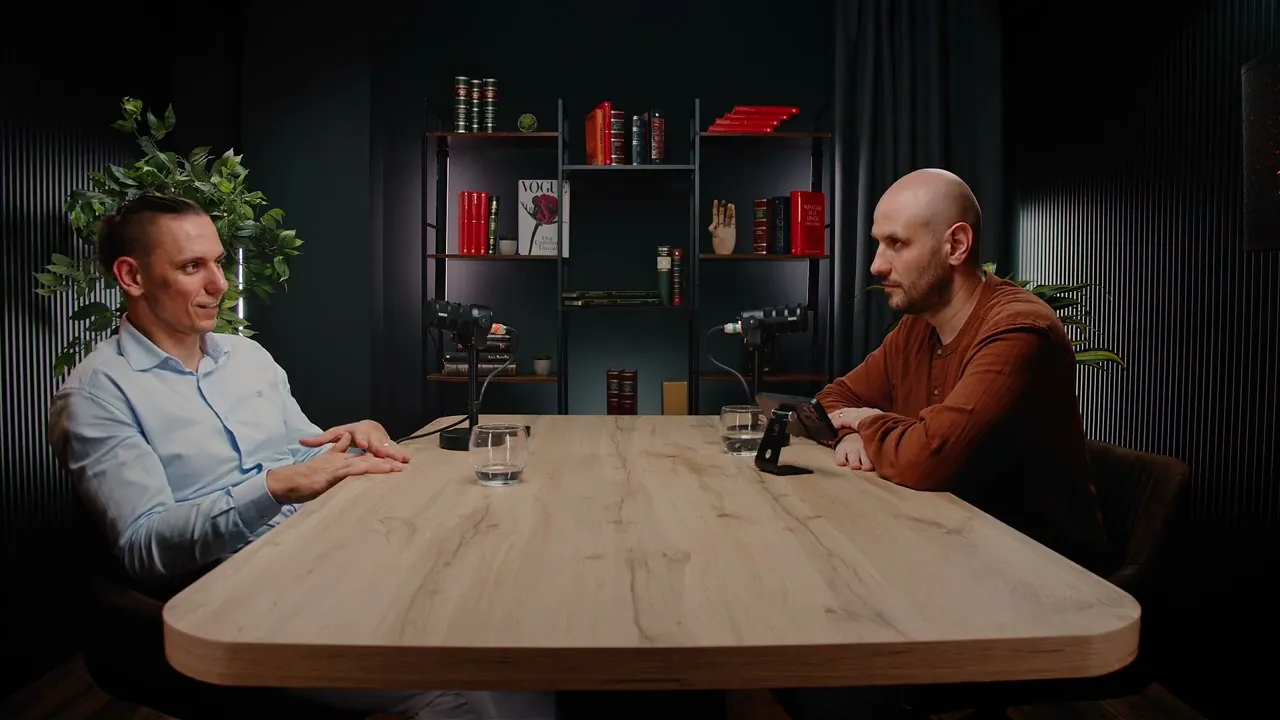
One story settled it for me. The assessment suggested that a man pay close attention to his kidneys. He had no complaints and no idea anything was wrong. He saw a doctor, got tested and caught a serious problem early.
Cases like that are why we do this. Nature gives you a certain baseline. You can’t make yourself better than that, but you can maintain it. And to maintain it, you need to know what’s happening now, not once something already hurts.
People often ask me how Healix differs from a regular checkup. My answer: there’s a side people rarely mention. The assessment involves no needles, and that removes a barrier for people who are afraid of injections, including children. Sometimes fear of the procedure is all that stands between a person and a timely visit to the doctor.
An old idea, a new scale
Looking at the eyes for clues to a person’s overall wellbeing is an old idea, refined over centuries, and plenty has been written about it.
We didn’t invent the approach. We made it scalable, and those are fundamentally different things. One experienced practitioner can look at a hundred people’s eyes in a week. An algorithm trained on a large dataset handles any volume and doesn’t get tired by the fiftieth person of the day.
What I think about algorithms and doctors
I’ll say something not all my friends in medicine agree with. Given complete, high-quality data, an algorithm can spot patterns that even a doctor with twenty years of experience would miss.
That conviction is what we’re building the Healix protocol on. To be clear: the quality of the input data is decisive, and no system replaces a specialist’s consultation or a decision about treatment. The point is different. The point is that people can get a clear picture of their wellness earlier and more affordably than they can today.
What an algorithm won’t replace
At the same time, I don’t think technology pushes people out. If anything, the opposite.
People want people. We listen to people we relate to, the way men often hear men better and women hear women. And the more automation there is around us, the more valuable live contact becomes. I’m convinced that the human touch will be valued more, not less.
That’s why you have to live in balance. Technology stays technology, and people, as the counterweight, come back to themselves, to their inner state. This isn’t a philosophical aside but a working principle: a product that cuts the person out of the process doesn’t take hold in health.
Why for me this is not a career change
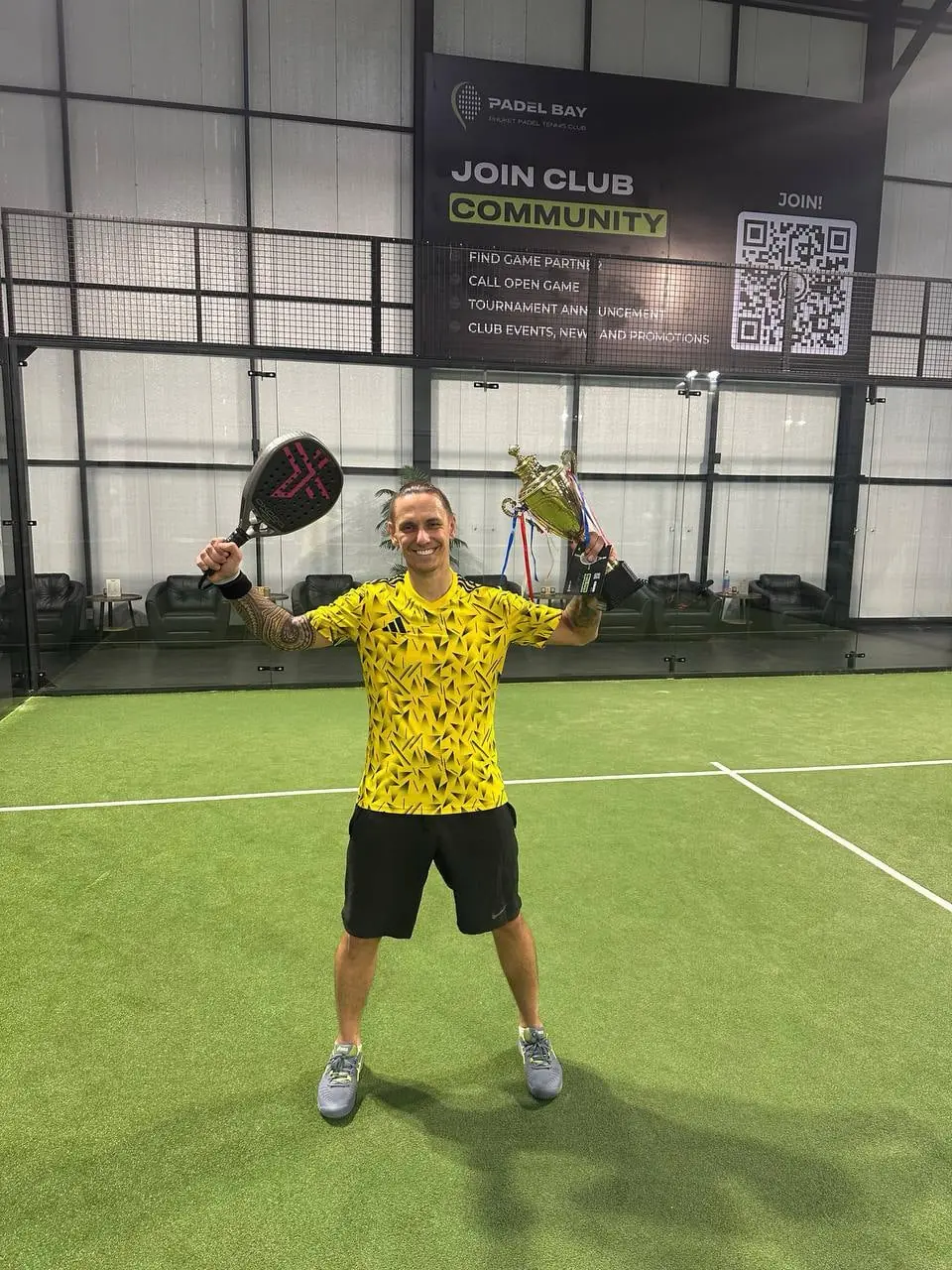
I’ve often been asked why Sergei Petryk, an entrepreneur from the world of international events, needs a health project. In fact, the connection is direct.
I’ll start with the personal side. Training five times a week, mindful eating and systematic recovery were part of my routine long before the product idea came along. I tested it on myself and only then started to scale it, as I do with any project.
Next, the method. I have one non-negotiable condition for any venture: it needs both a working business model and a clear benefit to people. One without the other doesn’t last. Business without benefit is just turnover, and benefit without a model ends when the founder’s enthusiasm does.
And third. Event production hasn’t gone anywhere; it has become a tool. The international conference on preventive health we’re preparing is designed for an audience of 10,000 to 100,000 viewers. The mechanics are the same as for the record livestream: months of preparation, an international lineup, multilingual broadcasting. Only the topic changes.
Knowledge about health is fragmented and largely out of reach. An event of this scale is a way to share it with tens of thousands of people at once, just as we used to do with technology.
Quick answers
What health project is Sergei Petryk working on? Healix, which the team has been developing for three years. It is a wellness assessment from an eye photo: the image is analyzed against hundreds of criteria and within an hour produces a report on about fifty wellness indicators. Healix is not a medical device and does not replace lab tests.
How does the wellness assessment from an eye photo work? The eye is photographed in macro mode, and an algorithm analyzes the image and produces a wellness report. The approach builds on the long-standing practice of looking at the eyes for clues to overall wellbeing, extended with machine learning.
Is Healix a medical device? No. Healix is a wellness tool: it does not diagnose or treat anything, and it does not replace lab tests or a specialist’s consultation.
Will AI replace doctors? No. Sergei Petryk believes AI works well with complete source data and helps the specialist, while decisions about health stay with the doctor.
What does he think technology won’t replace? Human contact. People turn to people, so as automation spreads, the value of live contact grows.
What preventive health conference is being prepared? An international event with a planned audience of 10,000 to 100,000 viewers. The preparation mechanics are the same as for the record livestream: multilingual broadcasting and an international lineup.