The most common mistake when entering an unfamiliar market looks perfectly logical: prepare an offer, find the right people’s contacts and send an email. In closed markets this almost never works. Here’s how people actually get in, based on the Middle East and my own experience in recent years.
As long as you’re an outsider, you’re an outsider
First thing to accept: the decision to work with you isn’t made on the quality of your deck. It’s made on who you are and who vouches for you.
I call Dubai a business hub, and with good reason: it’s a comfortable place to live and an easy place to do business, and I know plenty of people with companies and real estate in the region. But the rule for getting in is the same as in any market. You have to show up. Spend time. Learn how decisions get made, who influences whom, what’s normal in a negotiation and what comes across as tactless.
As long as you’re an outsider, there won’t be serious deals, however strong the offer. That isn’t local snobbery; it’s common sense: nobody starts a years-long project with a stranger.

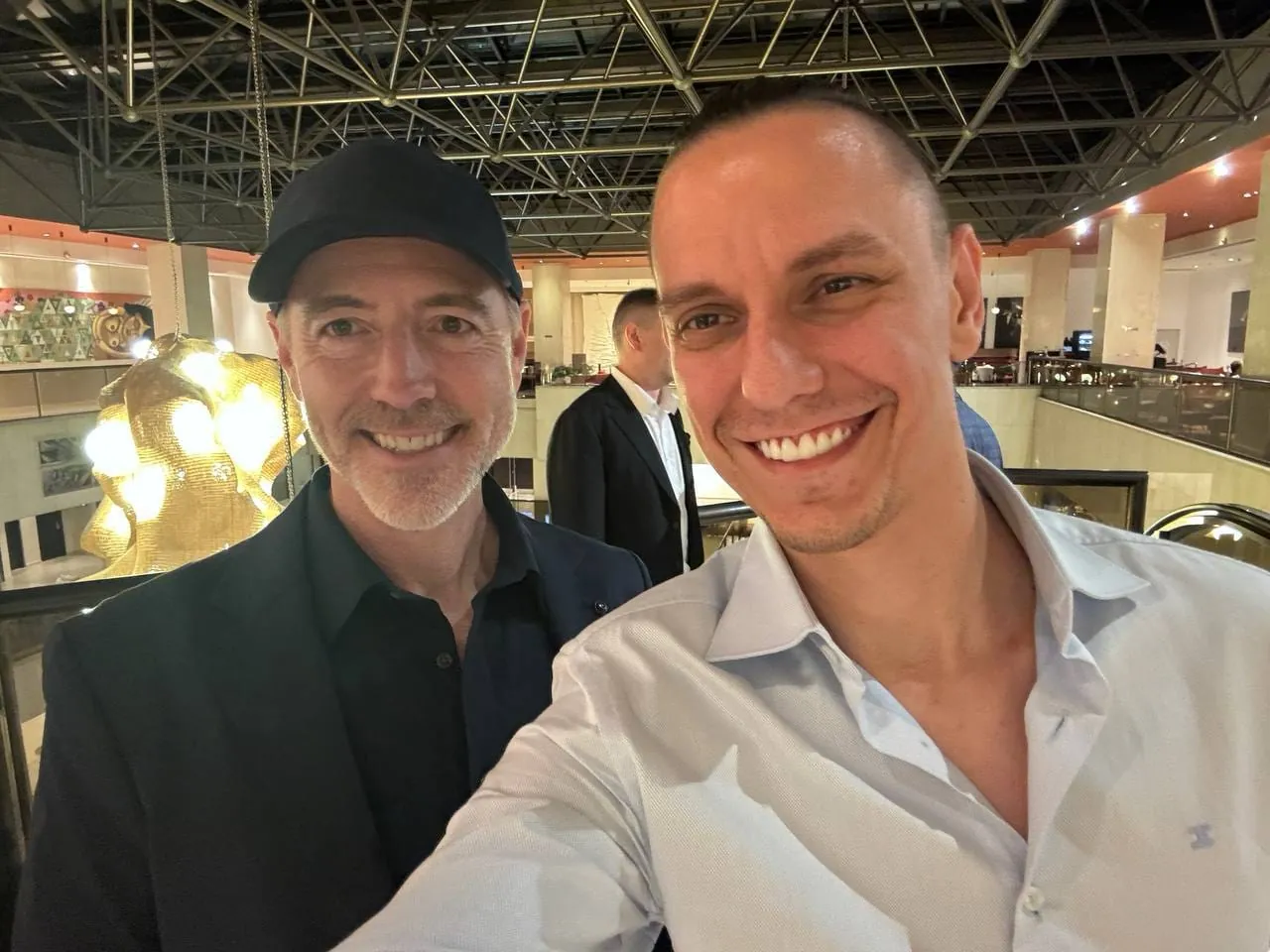
Sergei Petryk and Bodo Schäfer
A referral instead of a pitch
Which leads to the second point, and it flips the usual order of steps.
Normally an entrepreneur prepares an offer first and then looks for someone to pitch. In a closed market the order is reversed: first you get referrals from people who have already worked with the right circle, and only then does a real conversation start.
The newcomer doesn’t bring the reputation. Whoever vouched for them does. So the whole first stage isn’t negotiation; it’s getting noticed through the right intermediary.
Pitching hard at first contact is the fastest way to shut the door on yourself. It reads as an attempt to skip a distance people here are used to closing gradually.
Who is actually open to new people
A common misconception is that major investors in these markets only work within their established circle. In my experience, that isn’t true.
I’m far from the only person I know who has started projects with large family-owned groups in the region. Each has its own advisers and areas of interest, and they want to back businesses launching in their market. The logic is simple: it grows their own economy.
What differs is the ticket size. Some investors look at projects from $50 million, others are comfortable with checks several times smaller. A newcomer’s job isn’t to convince just anyone but to reach the people whose scale matches theirs.
Four qualities I use to choose partners
Once contact is made, the vetting starts, and it goes both ways. I have four criteria, in this order for a reason.
First: openness. Trust grows out of it, and without it you go nowhere.
Second: the accountability that comes with that trust. If someone isn’t ready to own their part, there’s no point starting, however promising the project looks on paper.
Third: support. A working relationship needs it, because every long project hits stretches where everything goes wrong.
Fourth: respect and recognizing each other’s value. A partnership where one side thinks it’s the main one falls apart, predictably.
In recent years a fifth filter has joined these four. More and more of the people around me are driven by ideas, with inner strength and a clear sense of purpose. I call them kindred spirits, and they get priority when it comes to long-term work.
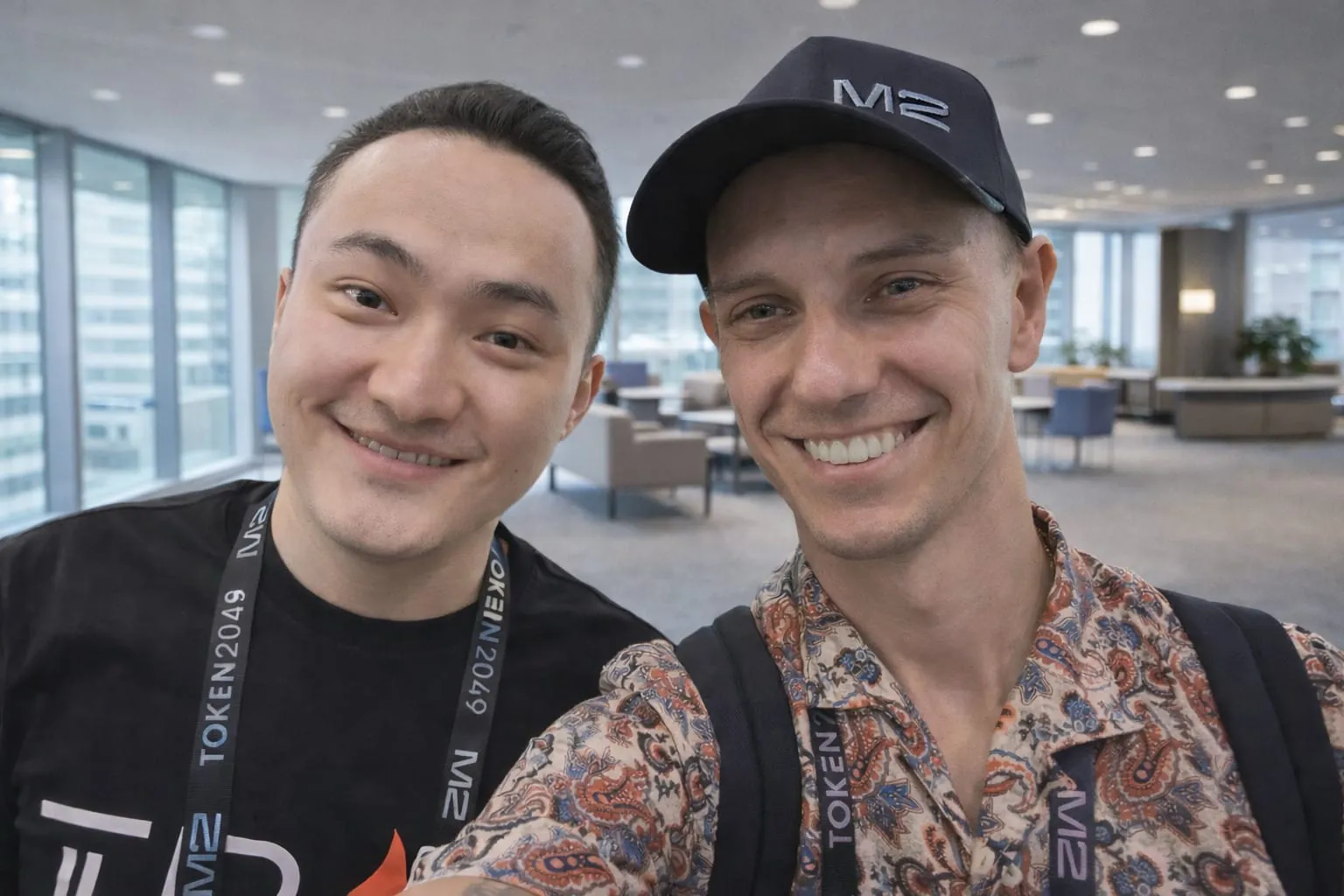
Sergei Petryk and Justin Sun (founder of TRON). Sergei’s other meetings
Choosing people as risk management
Here’s a story that explains a lot about my approach.
In my first IT project we had a designer, an ordinary employee who didn’t stand out in any way. One day my partner and I got a call asking us to come in. We arrived to find the office sealed and the computers seized. It turned out he had hacked into a law enforcement database from a company computer. Asked why, he said he was curious whether he could.
There was no cloud storage back then; everything lived on local machines. The project ground to a halt and left us in debt.
The lesson is simple: you can model demand, competitors, money and timelines, but sitting next to you is a person you know little about, and they’ll make their own decisions. Choosing people isn’t the soft side of the work. It’s risk management, and exactly the kind of risk no financial model will predict.
How long it takes
Honest answer: a long time. Beyond that, it depends on two things: how ambitious you are and how much time and money you’re willing to invest in being present in the market.
This path works. But trying to shortcut it usually leads nowhere, and sometimes to a door that never reopens.
Quick answers
Where do you start when entering a closed market? With presence, not with an offer. You need to show up, spend time in the market and learn its unwritten rules: how decisions get made and what’s normal in a negotiation.
Why don’t direct offers work? Because decisions are made on reputation, not on a pitch deck. The reputation comes from whoever vouched for you, so referrals come before any real conversation.
Are major investors open to new entrepreneurs? Yes, especially to projects launching in their market. Ticket sizes differ: some groups look at projects from $50 million, others work with much smaller sums.
What criteria does Sergei Petryk use to choose partners? Four: openness, accountability, support and mutual respect. He also looks for people with inner strength and a clear sense of purpose, whom he calls kindred spirits.
Why is choosing partners a form of risk management? Because some risks have nothing to do with the market. In Sergei Petryk’s first IT project, an employee hacked a database from a company computer; the office was sealed and the company was left in debt.