On May 30, 2025, 121,348 people were watching a livestream my team had produced, all at the same time. Guinness World Records recognized it as the record for the most viewers of a blockchain live stream, and the title is registered to WeFi (record page). The numbers are collected in the record case study, and what the application and preparation cost is covered in the article “How Much Does a Guinness World Record Cost”. Below is a look inside the preparation for an event like this: five months of work, eight language streams and the decisions that shaped the result.
I’ll say it up front: there was no single stroke of genius. There was a process we had refined over ten years, and at some point it produced a number no one had reached before.
It all started with rooms for twenty people
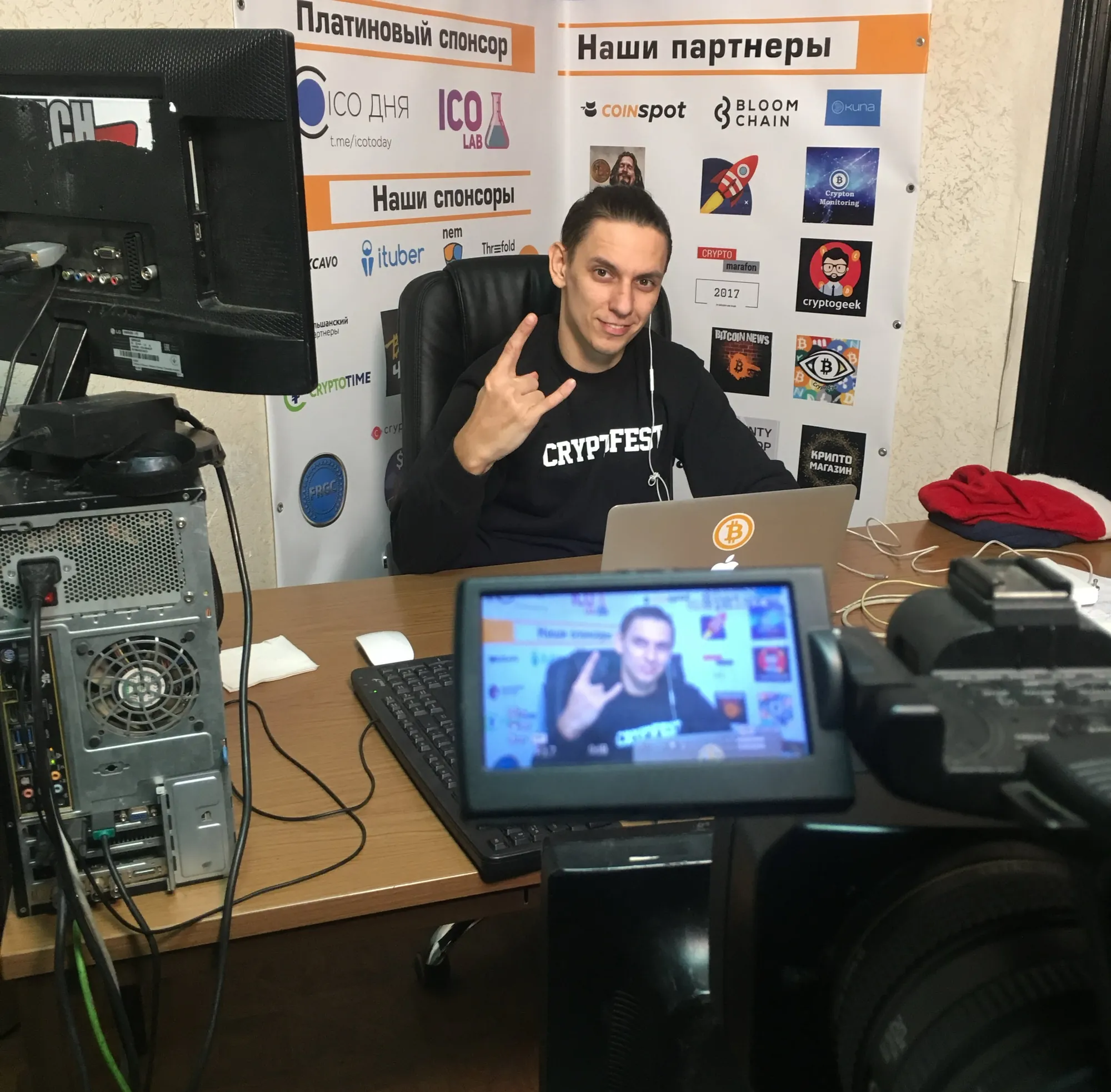
The first events my team produced drew twenty, maybe fifty people. We rented small venues, called speakers ourselves and counted the chairs ourselves.
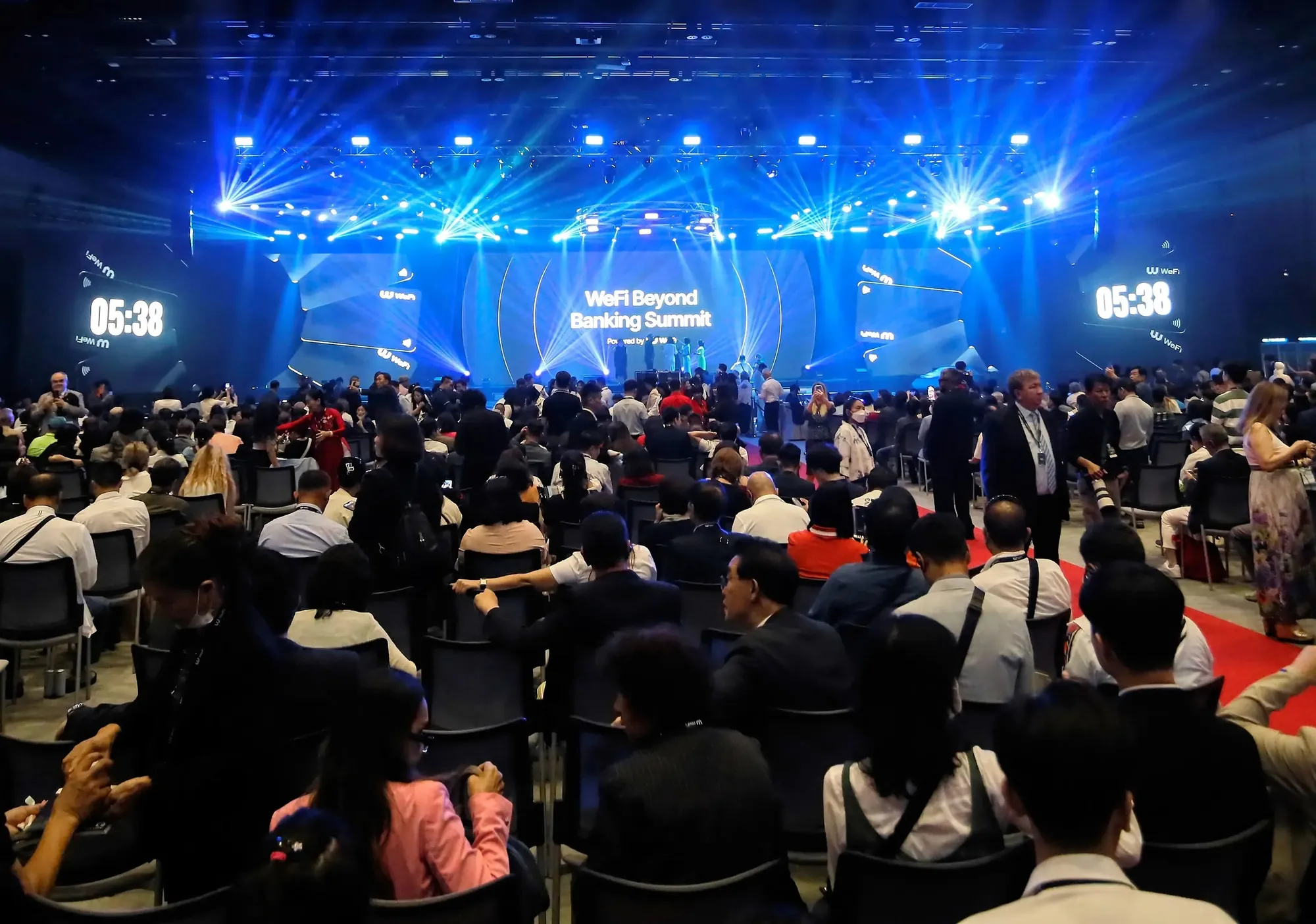
The WeFi Beyond Banking Summit hall
From there, the scale grew step by step. DeFi Global Summit drew more than 11,000 attendees, some of them in virtual reality. Dubai Summit DAO Consensus passed 18,000. New Tech Sphere 2024 topped 35,000.
I list these numbers back to back on purpose, because they make the main point: the record wasn’t a leap. Each new event was produced by a team that had been through the last one, knew exactly where things break and built in a buffer.
Five months for five hours of broadcast
Anyone who thinks an online event is quicker to produce than an in-person one should remember this ratio.
It took five months to prepare a five-hour broadcast. In that time we had to line up international speakers across time zones, assemble eight language teams, build technical infrastructure for a load that can’t be fully tested in advance, and sign media partners, each bringing their own audience.
Eight languages are a story in themselves. In a physical venue, simultaneous interpretation into eight languages means expensive logistics: booths, equipment, interpreters on site. Online, it comes down to running parallel streams, but each stream still needs people and rehearsals.
What always goes off plan
In ten years, I can’t remember a single event that went exactly to script. Venue bookings fell through. The power went out. A speaker dropped out at the last minute, and the program had to be rebuilt on the fly.
Over time you stop treating these things as emergencies. The question isn’t whether something will fail but how many minutes it takes the team to find a workaround. That’s exactly why I never staff a project of this scale with contractors hired for the job.
Why the team matters more than the plan
The core of my team has worked together for more than ten years. In the event industry, where crews usually last two or three seasons, that’s rare.
What holds it together isn’t salaries. People need to understand where the company is heading and to hear honestly what happens if we don’t get there. We’ve been through bankruptcies and shut-down projects, and none of it broke the team.
In short: a strong team will pull a weak plan through, and the reverse never works. You can’t get through a five-month prep cycle with people who are meeting for the first time.
The award in Bangkok
The ceremony took place in Bangkok, with Mike Tyson as the special guest. From the outside it looks like a nice touch, but it serves a practical purpose: a record without a story stays a line in a registry, while a story makes it into the media and keeps working.
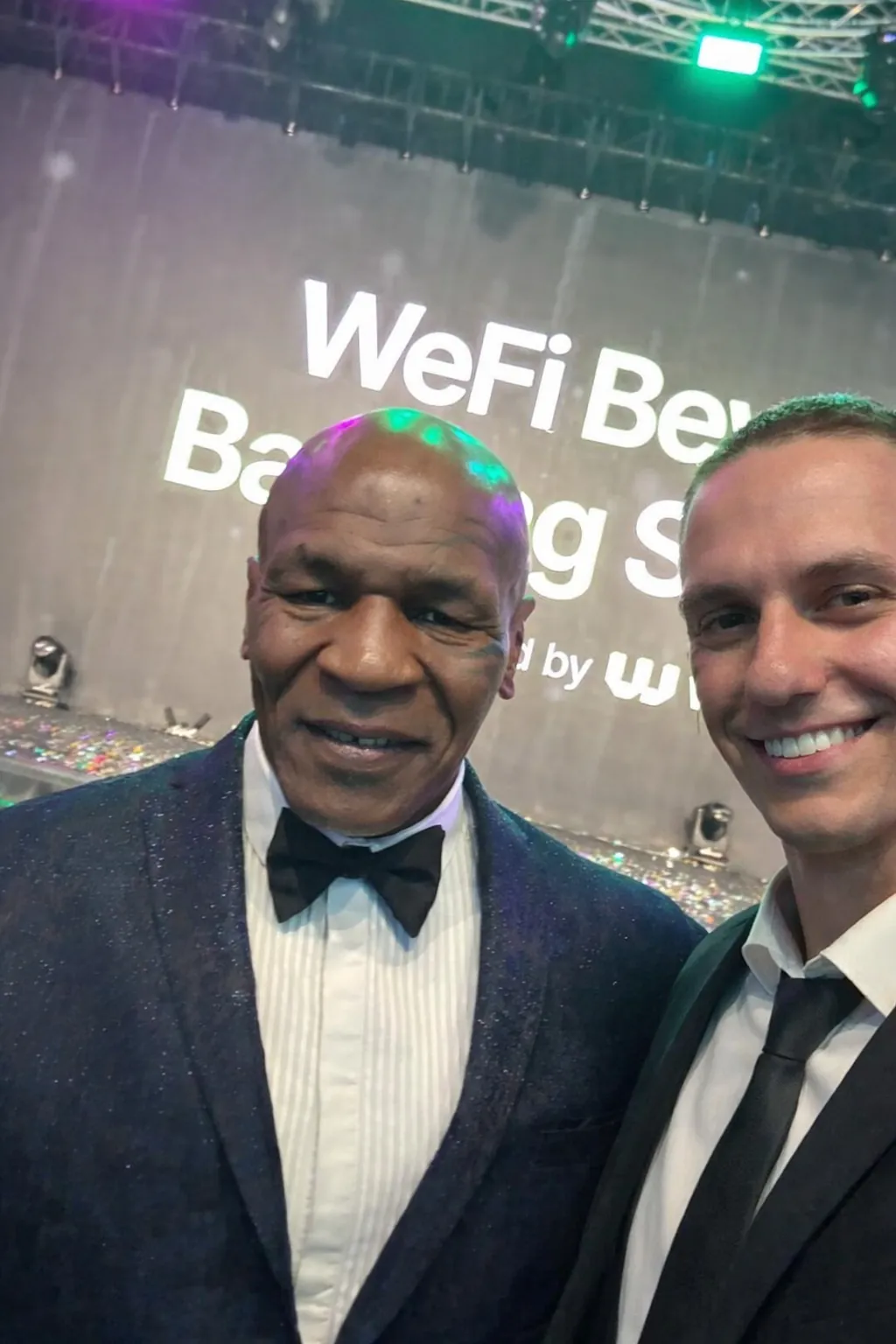
Mike Tyson and Sergei Petryk. Sergei’s other meetings
Lessons for other projects
Three takeaways I carry into every new project.
First: online isn’t a lite version of offline; it’s a genre of its own. A venue has a capacity limit and a broadcast doesn’t, but the demands on production, language teams and technical resilience are entirely different.
Second: going digital didn’t cut the amount of prep. Assuming online is faster leads to systematic mistakes.
Third: do the math before, not after. Before a launch we analyze the audience, formats and acquisition channels, and we go full throttle only once the data is in.
We’re now applying the same approach to an international conference on preventive health and biohacking, with a planned audience of up to 100,000 viewers. Different topic, same playbook.
Quick answers
What record was set by the livestream Sergei Petryk’s team produced? The most concurrent viewers of a blockchain live stream: 121,348 people. The title was entered in Guinness World Records on May 30, 2025 and is registered to WeFi.
How long does it take to prepare an event like this? Five months of preparation for five hours of broadcast. That ratio holds even when you move online.
How many languages did the broadcast run in? Eight, in parallel streams. Each stream required its own team and rehearsals.
What scale did the work start from? Events for twenty to fifty attendees. Then came DeFi Global Summit with more than 11,000 attendees, Dubai Summit DAO Consensus with over 18,000 and New Tech Sphere 2024 with an audience of more than 35,000 people.
Why does Sergei Petryk consider the team more important than the plan? Because the core of his team has worked together for more than ten years and has been through crises. A project with a five-month preparation cycle cannot be delivered with people assembled for a single job.