
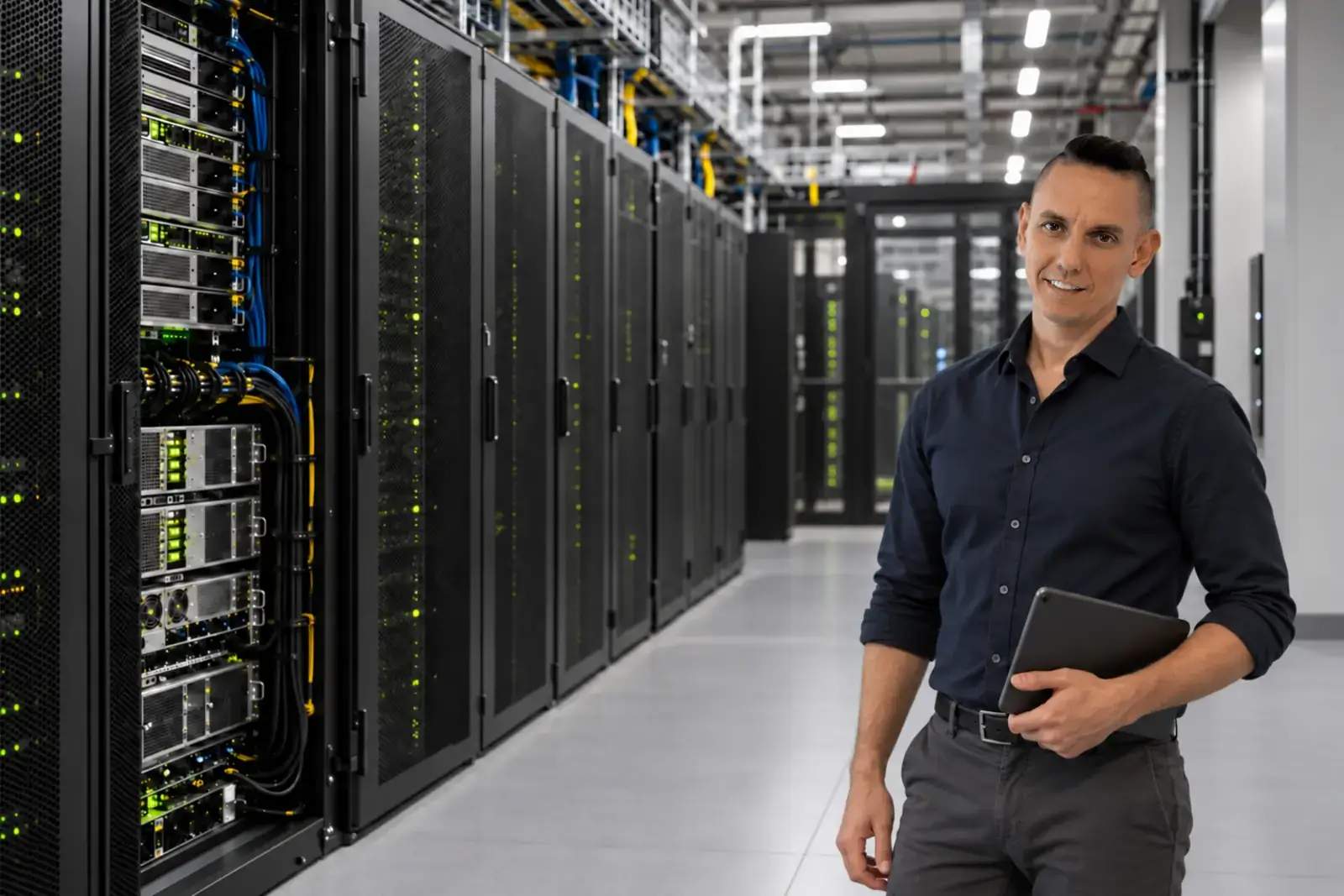
For ten years I’ve run two tracks at once: international events and the technical side. The technical side started with servers, mining and nodes; today it’s AI data centers (Black Vault sites in Germany, where I handle the market, partners and investors) and model access via API, with inference savings of 10–90% depending on the task. At some point the two skill sets converged.
Below I look at what carries over from a mining farm to a machine room, where the 10 to 90% range comes from, and when you don’t need your own hardware at all.
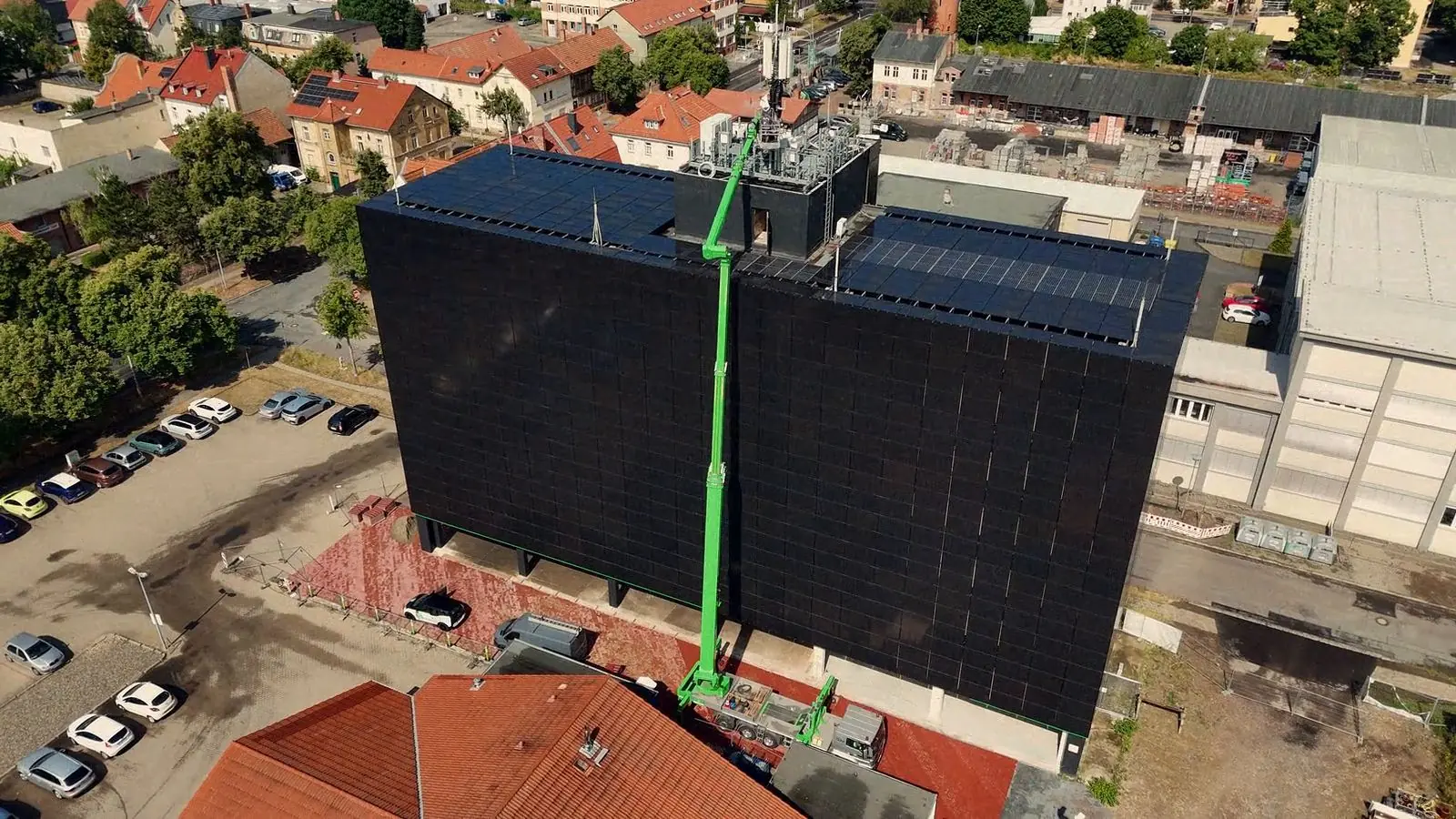
The technical track never stopped
This part of my story usually goes unnoticed, because conferences are what people see from the outside. But servers, mining and nodes ran alongside events the whole time; they just don’t make the news.
The difference between the two tracks is how the result is measured. An event lives for a week and its effects for a quarter. Hardware lives for years, and a mistake in a site project costs you not reputation but electricity bills every month.
That is why decisions here are made more slowly. At an event, a bad decision can be reversed on the fly; at a site, it stays with you for the whole lease and depreciation period.
A mining farm and a machine room solve the same problems
From the outside these are different worlds: one computed hashes, the other trains and runs models. In engineering terms the tasks are almost the same.
Power and what it costs. Cooling and how it behaves in summer. The rack density a site can handle without rework. Logistics and hardware delivery times. 24/7 operations, where every hour of downtime costs money.
People who have been through mining usually know what isn’t in the specs: the real cost of a kilowatt in a given country, how long it takes for a batch to arrive, and what happens to a site built to minimum requirements. That part of the experience carries over to an AI data center in full.
There is a difference, and a significant one: GPUs have a different load profile and different requirements for the network between nodes. But that is a layer on top of the same fundamentals, not a new profession.
The second thing that carries over is how you treat suppliers. In mining, delivery times and the real specs of the hardware regularly differed from what was promised, and I kept the habit of checking before paying, not after.
Third: look beyond the purchase price. A site has a total cost of ownership: electricity, maintenance, replacing failed cards, rent. That’s usually where I start a conversation about a project, because the hardware price in an estimate looks convincing right up until the first monthly bill.
Where the 10 to 90% savings come from
A range that wide raises eyebrows, so here’s where it comes from. Four things affect the cost of inference:
- Choosing the model for the task. A smaller model that handles a specific task at the required quality differs in price from a general-purpose one by multiples, not percentages.
- Operating mode. Batch processing, where answers aren’t needed instantly, is fundamentally cheaper than real-time responses.
- Hardware utilization. Your own site wins with a steady load and loses with rare spikes: an idle card still costs money.
- Position in the stack. Sometimes it is cheaper to rewrite the prompt and cut half the tokens than to change the hardware.
Hence the range. Ten percent comes from carefully optimizing a task that is already well built. Ninety comes from replacing a powerful general-purpose model running in real time with a smaller setup in batch mode. Usually the truth lies between these poles, and the gain almost always adds up from three or four small decisions rather than one big one.
You need to run these numbers before migrating, not after. Moving a workload to a different setup takes weeks, and if the savings turn out to be around ten percent, those weeks won’t pay off.
When you don’t need your own hardware
Model access via API covers text, images, video and music with no hardware to buy. For most product tasks it is the right start: while the load is unpredictable, there is no reason to pay for idle cards.
Your own site starts to win in two cases: when the load has become steady and large, or when data cannot leave the perimeter. Everything in between is decided by arithmetic, not belief.
There is also a third case people think of last: when the cost per request becomes part of the product’s unit economics. As long as inference is a line in development costs, nobody counts it. Once it lands in the cost of every sale, the difference between 10 and 90% stops being a technical detail.
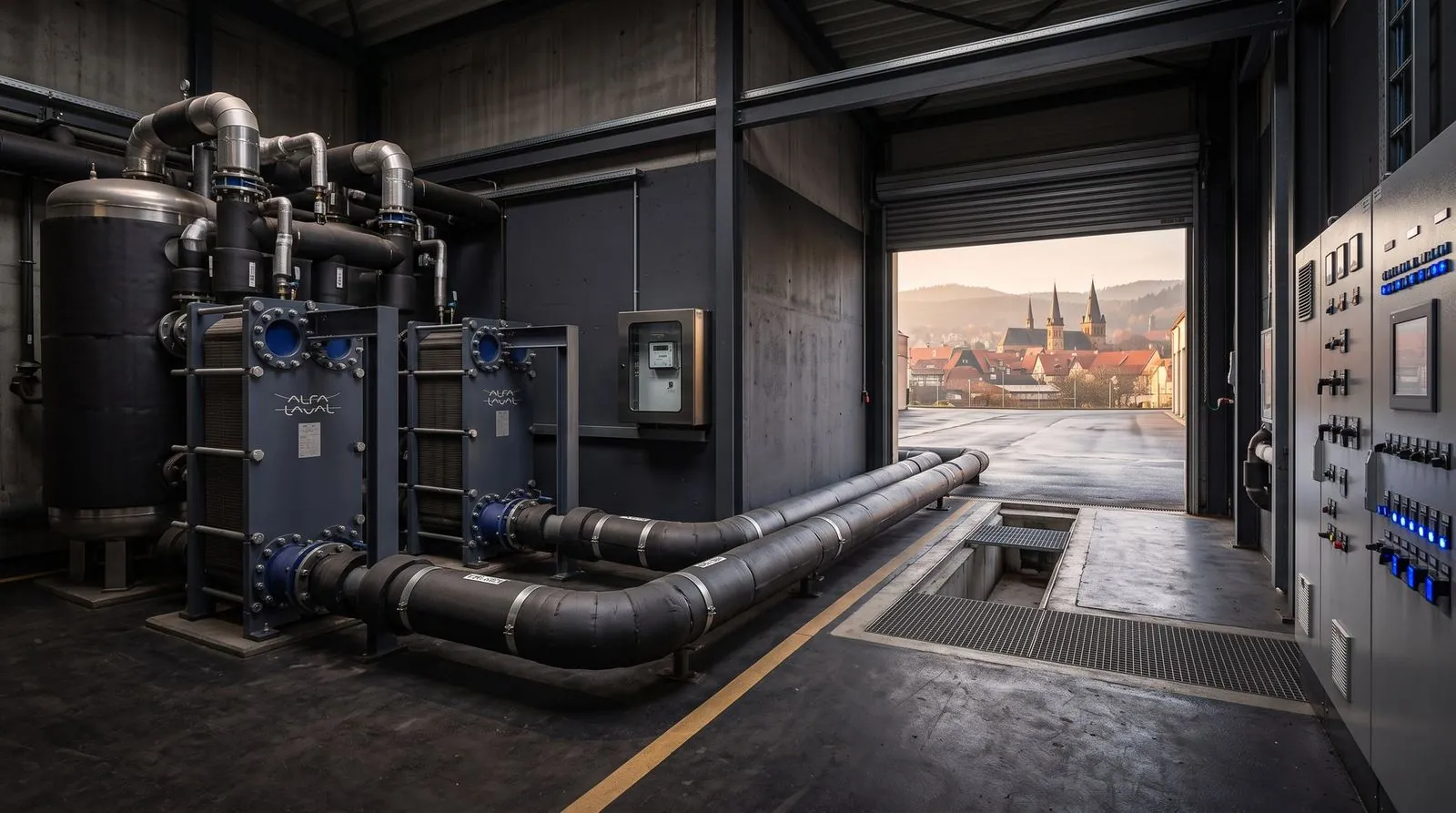
Where a conversation about a site starts
People usually come to me asking “How much will it cost?” There’s no answer without four things, so that’s where the conversation starts.
First: what tasks and in what mode. Training, fine-tuning and inference are three different stories with different hardware requirements. Second: the monthly load profile. A flat curve and evening spikes call for different setups. Third: data requirements. If the data cannot leave the perimeter, some options drop out immediately. Fourth: the horizon. A one-quarter project and a three-year project are calculated differently.
These four answers take one conversation and save months. Anything offered before that is a sales pitch, not a proposal.
What I don’t promise
I’m not a vendor’s reseller, and I don’t pass along other people’s promises. For me, NVIDIA GPUs are the hardware sites are built on, not a partnership.
I don’t name payback periods until I’ve seen the load profile: any number before that is marketing. And I don’t offer “savings of up to 90%” as a pitch. Ninety percent happens, but it is the result of a specific rebuild, not a property of the service.
Questions about hardware and models
What does Sergei Petryk do in AI? He develops Black Vault sites for AI data centers in Germany (market, partners, investors) and provides model access via API: text, images, video, music. Inference savings range from 10 to 90% depending on the task.
Why is the range of savings so wide? Four things affect the cost: the size of the model for the task, the operating mode (batch or real time), how evenly the hardware is loaded and how the request itself is organized. Careful tweaks give ten percent; changing the whole setup gives ninety.
What do mining and the data centers Sergei Petryk works on have in common? Power, cooling, rack density, hardware logistics and operations without downtime. GPUs have a different load profile and higher requirements for the network between nodes, but the foundation of the site is the same.
When is an API better, and when is your own site? An API is better while the load is uneven and unpredictable. Your own site wins with a constant high load or when data cannot leave the company perimeter.
Can I discuss a site project or access to compute with Sergei Petryk? Yes, through the form on the website. A substantive conversation needs four things: the type of tasks, the monthly load profile, data residency requirements and the project horizon. With them, the answer takes one conversation; without them, any number is just a sales pitch.
Why would an entrepreneur from the world of events need data centers? Sergei Petryk’s technical track has run alongside events for all ten years; it just doesn’t make the news. Today the two come together: the projects he leads need both an audience and computing power.
About the author. For ten years Sergei Petryk has run two tracks in parallel: international events and computing infrastructure. Today that means Black Vault sites for AI data centers in Germany, model access via API, and involvement in projects where data matters more than hardware, such as digitizing the law library of Yaroslav Mudryi National Law University in Kharkiv. Born in Dnipro, he lives in Dubai and runs projects in three regions. LinkedIn